CALL US TODAY 817-221-8248

Physical Therapy

Does physical therapy help chronic pain

Does Physical Therapy Help Chronic Pain? A Holistic Approach to Lasting Relief and Better Movement

Does physical therapy help chronic pain? Learn how a holistic, manual based approach can calm your nervous system, ease pain, and restore confident movement.

Does Physical Therapy Help Chronic Pain? A Holistic Approach to Lasting Relief and Better Movement Read More »

Soleus Muscle Pain

Soleus Muscle Pain: Causes, Symptoms, And Sports PT Solutions  

If you deal with nagging calf tightness every time you run, walk uphill, or even stand for long periods, soleus muscle pain may sit at the center of your frustration. This deep calf muscle works hard with every step you take, so when it gets overloaded, your performance, comfort, and confidence can all take a

Soleus Muscle Pain: Causes, Symptoms, And Sports PT Solutions   Read More »
How Long Does Plantar Fasciitis Last

How Long Does Plantar Fasciitis Last? Solutions to Stay Active

If you live with nagging heel pain, you have probably wondered, “How long does plantar fasciitis last?” It can feel like it will never end when every step in the morning or after a workout reminds you something is not right.   As a Sports Physical Therapist at R3 Physio, I see how this kind of

How Long Does Plantar Fasciitis Last? Solutions to Stay Active Read More »

lower back stretches

Lower Back Stretches That Feel Illegal (But Aren’t)

Have you ever tried a stretch that feels so good it almost seems wrong? That’s exactly the kind of relief you find with the right lower back stretches—moves that unlock tension and restore movement in ways you didn’t realize your body needed.
The truth is, your back carries the weight of your daily routine, from long hours at a desk to intense workouts.
When pain builds, simple stretches can feel like hidden secrets that reset your body in minutes.
With the right approach, these stretches do more than ease soreness. They help you move freely, improve posture, and even boost energy for the rest of your day.
Think of it like giving your spine a reset button. Instead of fighting stiffness, you’re teaching your back to open up, release, and function the way it’s designed to.
You’ll discover that the right moves can:
Relieve nagging tightness within minutes
Increase mobility so daily tasks feel easier
Support long-term spine health without complicated routines

Lower Back Stretches That Feel Illegal (But Aren’t) Read More »

back of knee pain

Back of Knee Pain: The Shocking Link to Your Hips and Back

Back of knee pain often feels mysterious, especially when it shows up during everyday movement or exercise. You might think the pain starts in your knee, but the real cause often hides higher up.
Your hips and back play a bigger role than you realize. When they lose strength or mobility, your knees take on stress they were never designed to handle.
That’s why pain at the back of your knee can be a warning sign of a larger movement problem. Instead of treating the pain in isolation, you need to look at how your body moves as a whole.
By understanding the link between your hips, back, and knees, you can:
Prevent small aches from turning into chronic injuries
Restore normal movement without constant flare-ups
Return to daily life and activity with confidence
Have you noticed your knee pain returning even after rest or basic treatment? That’s your body signaling that the problem runs deeper.

Back of Knee Pain: The Shocking Link to Your Hips and Back Read More »

Soleus Muscle Pain

Gluteal Tendinopathy Symptoms Sabotaging Your Movement

You’ve been feeling that ache on the outside of your hip for weeks now. Gluteal tendinopathy symptoms can flare up after a run, during a long walk, or even when you’re just lying on your side.
It’s easy to assume it’s just muscle tightness or maybe bursitis. But what if the real issue is something deeper, something that keeps chipping away at your mobility without you realizing it?
Gluteal tendinopathy symptoms often start small and vague. They creep in with discomfort and stick around with stiffness, frustration, and pain that limits how you move.
You might feel it when:
Climbing stairs or hills
Standing after sitting for a while
Balancing on one leg
Sleeping on the affected side

Gluteal Tendinopathy Symptoms Sabotaging Your Movement Read More »

best shoes for plantar fasciitis

Can the Best Shoes for Plantar Fasciitis End Foot Pain?

If you’re dealing with stabbing heel pain the second your feet hit the floor in the morning, you know how relentless plantar fasciitis can feel. You’ve probably seen ads claiming the best shoes for plantar fasciitis can fix everything. But can supportive footwear really end the pain, or is that just another temporary bandage over a deeper issue?
It’s frustrating when something as simple as walking becomes a source of dread.
Let’s break this down together. We’ll look at what the best shoes for plantar fasciitis can actually do for you, when they help the most, and why they’re just one piece of the puzzle if you want lasting relief.

Can the Best Shoes for Plantar Fasciitis End Foot Pain? Read More »

vestibular therapy

Vestibular Therapy: The Fix Behind Your “Random” Vertigo

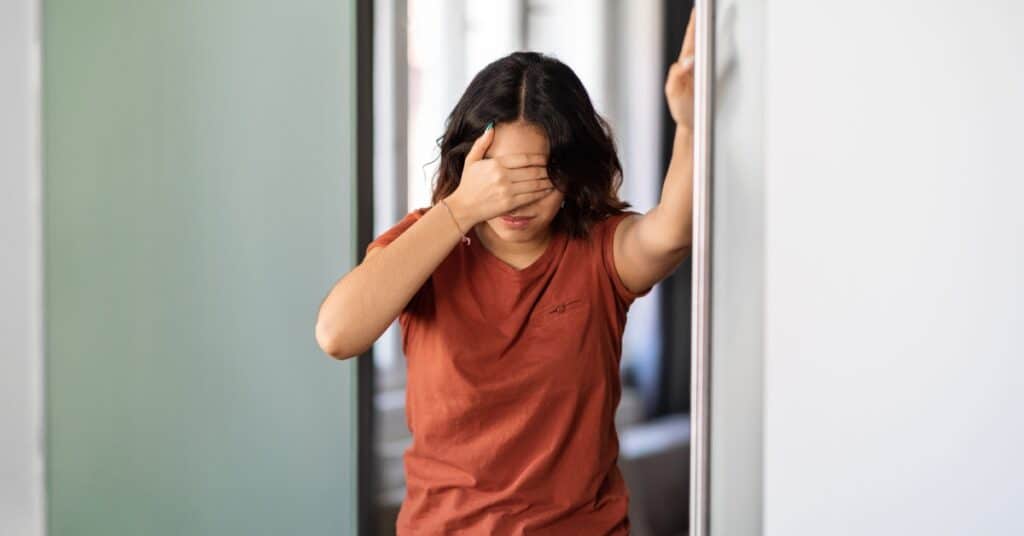
You’re walking through the grocery store when the floor suddenly feels uneven. You turn your head too quickly, and your world spins. Friends say it’s just stress or dehydration, but deep down, you know something else is going on. But what is vestibular therapy, and can it actually help you?
Vertigo often seems random, but it rarely is. Your vestibular system, tucked inside your inner ear, controls your balance and orientation. When it stops working properly, even simple movements can trigger spinning, nausea, or confusion.
Vestibular therapy helps retrain that system. It restores stability, reduces flare-ups, and gives you tools to feel steady again, even when life tries to knock you off balance.

Vestibular Therapy: The Fix Behind Your “Random” Vertigo Read More »

tight pelvic floor muscles

Tight Pelvic Floor Muscles? Why Stretching Won’t Fix It

You stretch. You breathe. You foam roll. Still, something feels stuck deep in your core. If you’ve been chasing relief from tight pelvic floor muscles with stretches and yoga flows but nothing changes, you’re not alone.
The truth is, stretching only scratches the surface. Tight pelvic floor muscles aren’t just “tight,” they’re often overworked, confused, and guarding something deeper.
These muscles are complex. They react to everything from stress to posture to how you breathe. And when they hold tension, the solution isn’t to pull harder.
What your body really needs is:
A clear look at what’s causing the tension
Hands-on release work, not just general mobility
Guidance that helps your nervous system stop sending danger signals
If you’re ready to stop guessing and start healing, let’s unpack what’s really going on, and what actually works.

Tight Pelvic Floor Muscles? Why Stretching Won’t Fix It Read More »

knee and hip pain on one side

Why You Shouldn’t Ignore Knee and Hip Pain on One Side

You’re active, you train hard, and you push through discomfort because that’s what athletes do. But when knee and hip pain shows up on one side, it’s time to stop and listen to your body.
Pain on one side often signals an imbalance or compensation pattern. If you ignore it, you risk a serious injury that could take you off the field or out of the gym for weeks.
This type of pain doesn’t always scream for attention right away. It builds slowly and often fools you into thinking it’s just tightness or fatigue.
Here’s what can cause knee and hip pain on one side:
• Overtraining one side during sport or lifting
• Muscle weakness or tightness in the glutes or core
• Ankle instability throwing off your movement chain
• Poor form in your stride, squat, or pivot
You don’t have to live with it or guess what’s wrong. The key is figuring out what’s really going on before it turns into something worse.

Why You Shouldn’t Ignore Knee and Hip Pain on One Side Read More »