CALL US TODAY 817-221-8248

Soleus Muscle Pain

Soleus Muscle Pain: Causes, Symptoms, And Sports PT Solutions  

Soleus muscle pain is often caused by overuse, training changes, limited ankle mobility, or movement patterns that place extra stress on the deep calf muscle. Sports physical therapy can help identify the root cause, reduce pain, and rebuild strength for running, sports, and daily activities. As a Sports PT, I see soleus muscle pain get

Soleus Muscle Pain: Causes, Symptoms, And Sports PT Solutions   Read More »

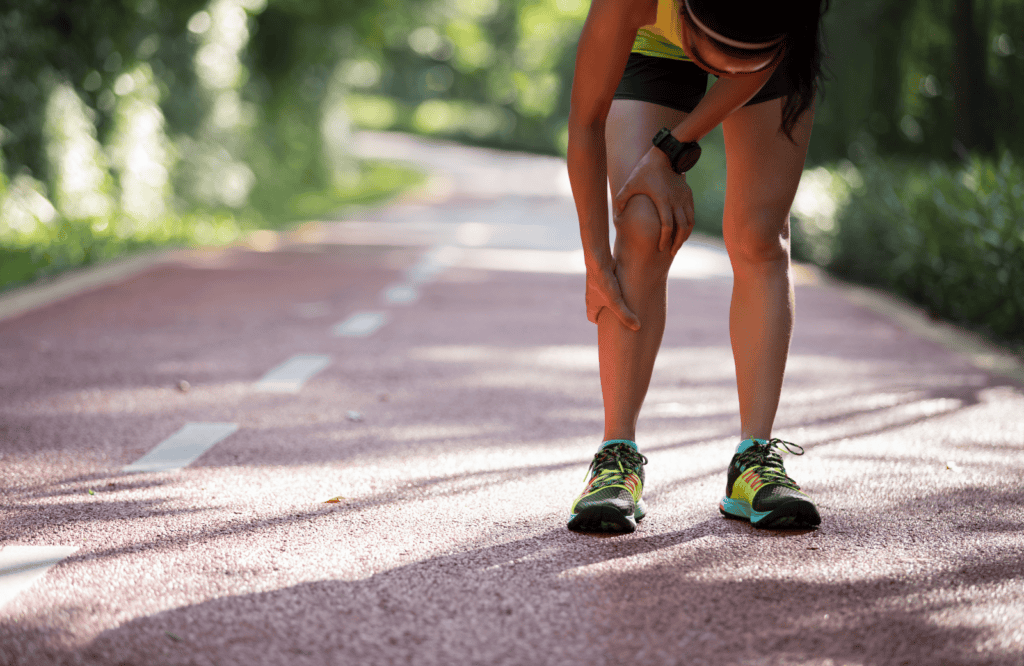
woke up with knee pain no injury

Woke Up With Knee Pain No Injury? Your Body Might Be Sending a Warning

You woke up with knee pain, no injury in sight, and now you’re wondering what’s going on. That sudden stiffness or ache can feel confusing when you didn’t twist, fall, or strain anything.
At R3 Physio in Keller, we see this more often than you’d think. Knee pain without an obvious cause can reveal that your body is trying to communicate something deeper. Maybe your hips, lower back, or even your feet are out of alignment. Sometimes it’s tightness in surrounding muscles or a problem with how your joints move.
Before you assume it’s “just age” or “sleeping wrong,” it helps to look at possible triggers like:
• Weakness or imbalance in your hips or core
• Hidden inflammation or swelling from overuse
• Tight fascia or restricted soft tissue
• Referred pain from the spine or pelvis
Ignoring unexplained knee pain can make small issues turn into chronic ones. When your body sends a warning, it’s an invitation to pay attention before the problem grows.
Woke Up With Knee Pain No Injury? Your Body Might Be Sending a Warning Read More »

knee and hip pain on one side

Why You Shouldn’t Ignore Knee and Hip Pain on One Side

You’re active, you train hard, and you push through discomfort because that’s what athletes do. But when knee and hip pain shows up on one side, it’s time to stop and listen to your body.
Pain on one side often signals an imbalance or compensation pattern. If you ignore it, you risk a serious injury that could take you off the field or out of the gym for weeks.
This type of pain doesn’t always scream for attention right away. It builds slowly and often fools you into thinking it’s just tightness or fatigue.
Here’s what can cause knee and hip pain on one side:
• Overtraining one side during sport or lifting
• Muscle weakness or tightness in the glutes or core
• Ankle instability throwing off your movement chain
• Poor form in your stride, squat, or pivot
You don’t have to live with it or guess what’s wrong. The key is figuring out what’s really going on before it turns into something worse.

Why You Shouldn’t Ignore Knee and Hip Pain on One Side Read More »

dry needling side effects

Dry Needling Side Effects: Why The Benefits Often Outweigh The Risks For Active Adults And Chronic Pain Sufferers

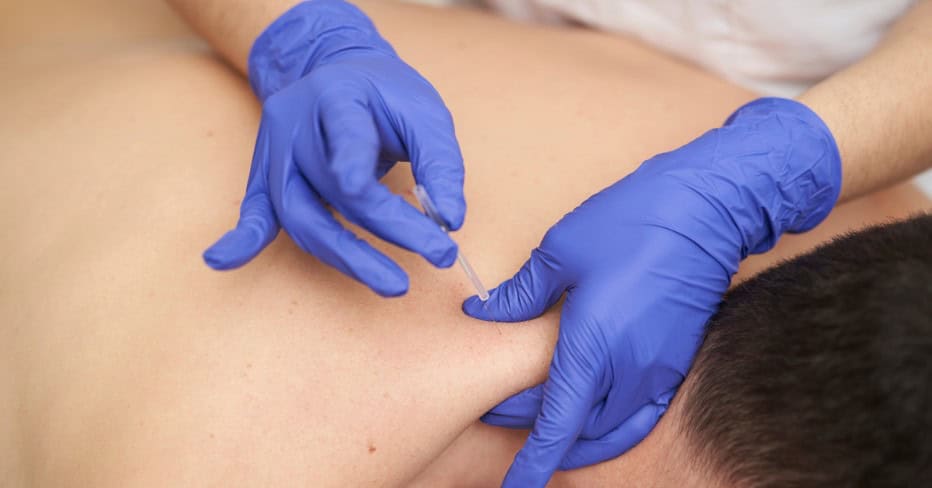
If you live with stubborn muscle pain or tightness, you have probably heard about dry needling side effects and wondered if the relief is really worth it. You might feel torn between curiosity and concern, especially if you want to stay active, perform well, and avoid anything that could set you back. At R3 Physio,

Dry Needling Side Effects: Why The Benefits Often Outweigh The Risks For Active Adults And Chronic Pain Sufferers Read More »

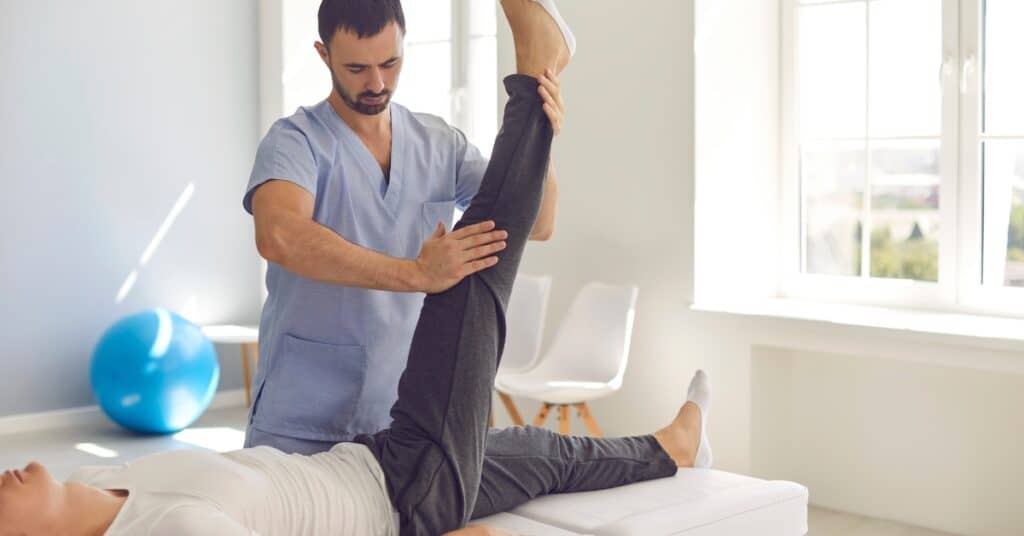
physical therapy for chronic pain management

Physical Therapy for Chronic Pain Management: A Holistic Path to Lasting Relief

Living with pain that never really lets up changes everything. When every day feels shaped by pain, even simple things like getting dressed, driving, or focusing at work can feel like a slow drain on your energy and patience. If you live with chronic daily pain, you may already know a lot about physical therapy

Physical Therapy for Chronic Pain Management: A Holistic Path to Lasting Relief Read More »

tight pelvic floor symptoms

Tight Pelvic Floor Symptoms: How to Recognize the Signs and Restore Full-Body Balance

If you live with nagging pain, tension that never quite lets go, or frustrating bladder or bowel issues, tight pelvic floor symptoms may be part of the story. You might feel them in your hips, back, pelvis, or even your jaw, without realizing they all connect. Many people think a tight pelvic floor means a

Tight Pelvic Floor Symptoms: How to Recognize the Signs and Restore Full-Body Balance Read More »