
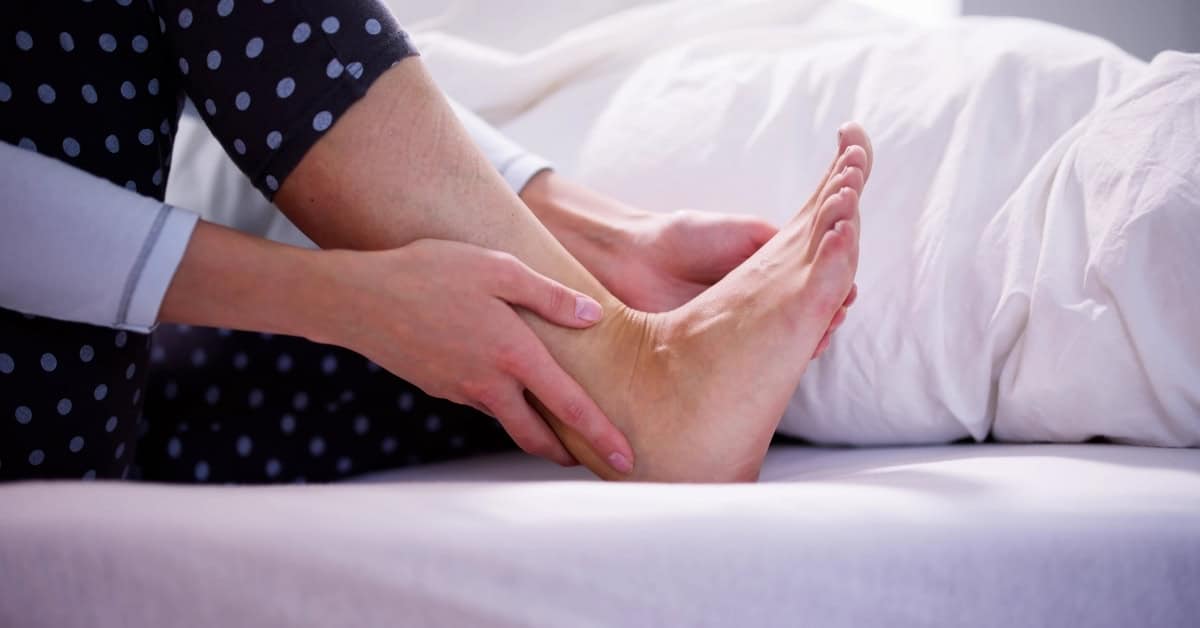
If you live with nagging heel pain, you have probably wondered, “How long does plantar fasciitis last?” It can feel like it will never end when every step in the morning or after a workout reminds you something is not right.
As a Sports Physical Therapist at R3 Physio, I see how this kind of pain affects your training, your work, and even simple things like standing at your kitchen counter. You might cut runs short, skip walks with family, or brace yourself every time you get out of bed.
Plantar fasciitis is common, but that does not mean it is simple. The timeline for healing depends on your body, your training load, your movement patterns, and how well your whole system handles stress.
In this guide, we look at what is actually going on in your foot, what research and real world experience say about recovery time, and how a Sports PT approach can help you move out of pain and back into the activities you care about.
How Long Does Plantar Fasciitis Last? Understanding The Full Picture
What Is Plantar Fasciitis, Really?
Plantar fasciitis is irritation of the thick band of tissue on the bottom of your foot that supports your arch. It helps you absorb impact every time you walk, run, jump, or even stand still.
When that tissue gets overloaded, it can feel like a sharp, stabbing pain near your heel or a deep ache along the arch.
You tend to notice it most with those first steps in the morning or when you stand up after sitting.
- For some people, plantar fasciitis starts after a clear event, like a hard run, a long hike, or a jump in training volume.
- For others, it sneaks up slowly until one day you realize your heel hurts almost every time you are on your feet.
I often see it in runners and court sport athletes, but also in nurses, teachers, parents, and anyone who spends long hours on hard floors. It shows up in both highly active people and those who feel out of shape and are trying to get moving again.
There is also a difference between a short term flare and a chronic, long standing problem.
- Short term irritation responds faster and often needs smart load management plus some targeted care.
- Chronic plantar fasciitis has usually been there for months and involves more than just one sore spot in your foot. It connects to how you move, how you load your body, and how your nervous system handles ongoing pain.

Typical Recovery Timelines: Weeks, Months, Or Longer?
You will see a wide range of answers when you search, “How long does plantar fasciitis last?”
Recovery can be as short as a few weeks or as long as many months, and it depends on several factors.
- For mild or new cases, with clear changes in activity and good treatment, you might see meaningful improvement in six to eight weeks. Many people in this group return to most of their normal activity within about three months.
- For more stubborn, chronic cases, the timeline often stretches closer to six to twelve months without focused care. If the pain has been there for over a year and nothing really changes, the total timeline can reach twelve to eighteen months.
Online timelines may feel discouraging if you already hurt every day. They also do not tell your whole story, because most estimates assume perfect conditions and consistent, appropriate treatment.
Real life includes busy workdays, family needs, stress, travel, missed exercises, and training goals that matter to you. All of those details affect how fast your body responds and how long plantar fasciitis lasts in your specific case.
Key Factors That Affect How Long Plantar Fasciitis Lasts
Several key pieces influence your recovery timeline. As a Sports PT, I look at all of these, not just the painful heel.
Activity Level And Sport Demands
Your sport or daily routine plays a major role in how long your pain sticks around. The more repetitive impact you place through your feet, the more stress your plantar fascia must manage.
Plantar fasciitis often takes longer to settle down if you:
- Run long distances on pavement or concrete
- Do high impact sports like basketball, tennis, or pickleball
- Stand or walk all day at work on hard surfaces
- Wear shoes with little support for long shifts or busy days
This does not mean you must stop everything you enjoy. It means your foot needs the right dosage of loading, instead of a constant cycle of overload and total rest.
If you are tired of wondering how long plantar fasciitis will last and you want a clearer path forward, a simple conversation can help.
You do not have to commit to a full plan to start getting clarity.
We offer a free 15 minute discovery call so you can talk with a Doctor of Physical Therapy about your heel pain, your goals, and whether this approach fits what you need.
This is a chance to feel heard, ask questions, and understand your options.
To schedule your Discovery Visit, call R3 Physio at (817) 221 8248. This can be the first step toward less pain, more confidence, and a body that feels ready to move again.
Foot Mechanics And Local Factors
The way your foot and ankle move can speed or slow recovery. Certain patterns put more stress through the plantar fascia with each step.
Common contributors include:
- Flat feet with a dropped arch that collapses with weight
- Very high arches that do not absorb impact well
- Stiff ankles that cannot bend enough during walking or running
- Tight calves that limit how the heel moves
- Weak foot muscles that cannot support the arch
These details matter because they change how your body shares force from the ground up. When the foot or ankle cannot do its job well, your plantar fascia often pays the price.
Whole Body Contributors: Hips, Pelvis, And Core
Plantar fasciitis does not live in isolation from the rest of your body. Your hips, pelvis, and core help control how your leg moves and how your foot hits the ground.
When those areas do not support you well, the foot often has to work overtime to create stability. That extra work can slow healing and keep irritation going.
Things I often see in people with stubborn plantar fasciitis include:
- Weak hip muscles that let the leg drift inward when you walk or run
- Limited hip rotation that changes how you load your foot
- Pelvic alignment issues that shift more weight to one side
- Core control problems that show up as poor balance with single leg tasks
If you also have low back discomfort, pelvic pain, or a history of pelvic floor issues, this whole body view becomes even more important. Your plantar fascia might be the loudest area, but it is not always the only driver.

Training Errors And Sudden Load Changes
For athletes and active adults, training errors are one of the biggest reasons plantar fasciitis shows up and then hangs around. Your tissue can adapt to stress, but it needs time and a clear progression.
Recovery often takes longer if you:
- Jump mileage or intensity too quickly
- Add speed work, hills, or plyometrics without building a base
- Change shoes or surfaces abruptly
- Return from an injury in another area and overprotect it by shifting load into your foot
Training shifts like these do not just irritate the plantar fascia once. They quietly keep it irritated if you do not adjust the plan, which stretches out your healing timeline.
Footwear And Time On Hard Surfaces
Your shoes act like your personal environment for the foot. The right support for your needs can help healing, while poor choices can slow it.
Things that often keep plantar fasciitis lingering include:
- Old running shoes with worn out cushioning
- Very flat shoes with no arch support during long days
- Thin, hard soles on concrete or tile
- Going barefoot a lot when your tissue is already sensitive
Simple footwear changes rarely solve the whole problem alone, but they can remove some daily irritation. That shift helps your plantar fascia calm down faster while you address the deeper issues.

Systemic And Lifestyle Factors
Your body does not separate your foot from the rest of your health. How you sleep, manage stress, and recover from activity all influence how fast tissue heals.
Chronic pain patterns, previous injuries, and even jaw or pelvic issues can change how your nervous system handles load and pain. If your system stays on high alert, it can hold onto pain longer, even when the original tissue irritation has improved.
Things that can slow recovery include:
- Poor sleep or frequent night waking
- High, ongoing stress with no real recovery time
- A long history of multiple pain areas
- Limited movement variety during your day
These are not personal failures. They are real factors that change how long plantar fasciitis lasts and how we plan your care.
When Heel Pain Becomes Chronic: Signs It Is More Than A Simple Injury
At first, plantar fasciitis might feel like an annoying but manageable ache. Over time, it can shift into something that feels bigger and more persistent.
You may notice signs that your heel pain is becoming chronic, such as:
- Pain lasting longer than three months with only short breaks
- Pain that spreads into your arch, Achilles tendon, calf, or even up to your knee
- Morning pain that used to ease quickly but now lingers longer into the day
- Increased sensitivity when you try to walk barefoot or stand on one leg
You might also change how you move without realizing it. You may limp a little, avoid putting full weight on that foot, or shift more weight to the other leg.
When this goes on for months, your brain and nervous system start to learn this pain pattern. The tissue may be less irritated than before, yet the pain still feels loud and sharp.
This does not mean the pain is in your head. It means your system has become very protective in that area and needs a more complete plan that includes both the tissue and the way you move and load your body.
Rest alone rarely fixes chronic plantar fasciitis.
Long stretches of rest tend to weaken the tissue and surrounding muscles, so when you return to activity, you overload the fascia again.
A better path uses guided loading, smart activity changes, and whole body work to build capacity. That approach helps you decrease pain and feel more confident with every step.
How Sports Physical Therapy Helps Shorten Plantar Fasciitis Recovery
Beyond Ice And Stretching: Why A Sports PT Approach Is Different
Most people with heel pain start with the basics. You might try ice, stretching your calf, rolling a ball under your foot, or taking time off from running or walking.
Those tools can give short term relief, but they often do not create lasting change. They also do not answer the key question of why your plantar fascia is overloaded in the first place.
A Sports PT approach looks at how your entire body moves, not just the sore area. The goal is to understand how your foot, ankle, knee, hip, and pelvis share load during real activities.
Together, we look at things like:
- How you walk, jog, or run
- How you squat, lunge, and step
- How you balance on one leg
- How your foot and ankle move through each phase of gait
This information guides a plan that matches your life and your goals. It also helps shorten the time your plantar fasciitis lingers by addressing the real drivers of your pain.

Advanced Manual Therapy: Treating More Than Just The Foot
Hands on care can make a big difference when your plantar fasciitis feels stuck. Manual therapy can help reduce tension, improve joint mobility, and change how your nervous system senses the area.
For plantar fasciitis, I often work on:
- The plantar fascia and small muscles of the foot
- The calf muscles and Achilles tendon
- The ankle and subtalar joints
- The midfoot and big toe joints
Sometimes the most helpful work happens away from the heel itself. Restrictions in your calf, hamstrings, hips, or even low back can affect how your foot loads with each step.
By improving motion and tissue quality through the whole chain, you give your plantar fascia a better environment to heal. That change can make each step feel less sharp and more supported.
Rebuilding Strength And Load Tolerance So You Can Stay Active
Pain often pushes you to rest. Rest has a role, but long term recovery from plantar fasciitis requires strength and resilience in your foot and leg.
Your plantar fascia responds to load. When you apply the right kind of stress in the right amounts, the tissue becomes stronger and more tolerant.
The key pieces of a good strengthening plan usually include:
- Foot intrinsic muscles that support your arch
- Calf and ankle muscles that control how your heel lifts
- Hip and glute muscles that guide your leg alignment
- Core muscles that stabilize your trunk over your legs
We start with simple, low load exercises that do not flare your pain.
As your tissue calms down and your control improves, you build toward more challenging tasks that look like your real life or sport.
For example:
- A runner might move from basic calf and foot strength, to controlled single leg balance and mini squats, then to hopping drills and gradual return to run intervals.
- Someone who stands all day at work may focus on sustained strength, comfortable posture over the feet, and brief movement breaks.
In both cases, the goal is the same. You want a foot and leg that can handle your day without constant irritation.
What You Can Do At Home To Support Faster Recovery
Your daily choices have a big impact on how long plantar fasciitis lasts. A perfect routine is not required, but a few consistent habits make a real difference.
Helpful home strategies include:
- Adjusting your training or daily steps instead of stopping completely
- Choosing footwear that supports your foot for the amount of standing or walking you do
- Doing a short, focused set of mobility and strength exercises most days
- Using brief rest breaks during long periods on your feet
It also helps to listen to your symptoms in a specific way. A small increase in discomfort that settles within a day often means your tissue is tolerating the load, while a big spike in pain that lingers for several days means you likely pushed too much.
Supporting your sleep and stress levels matters as well. Your body heals when you rest and recover, not just when you stretch or strengthen.
When you combine smart home strategies with a clear, whole body plan, you give your plantar fascia the best chance to heal.
You also give yourself a path back to the activities that matter most to you, with more confidence in every step.

How R3 Physio Helps You Move Past Plantar Fasciitis For Good
Personalized Care For Stubborn Heel Pain
When plantar fasciitis hangs on for months, it is rarely just about a tight foot. It is about how your whole body moves, how you load it, and how your system responds to stress.
At R3 Physio, we look beyond the painful spot and create a plan that fits your history, your goals, and your day to day life. You receive one on one care with a Doctor of Physical Therapy, so every session focuses on what your body needs right now, not a generic protocol.
Support For Athletes And Active Adults Who Want To Stay Moving
If you are a runner, lifter, or active adult in Keller or the greater DFW area, you likely do not want to stop doing what you love. You want a plan that respects your training and helps you move forward, not backward.
We help you modify, not abandon, your activity so your plantar fascia can calm down while you keep your identity as an athlete or active person.
The focus stays on restoring performance, improving mechanics, and building confidence in each step, jump, or lift.
Ready To Take The Next Step?
If you are tired of wondering how long plantar fasciitis will last and you want a clearer path forward, a simple conversation can help.
You do not have to commit to a full plan to start understanding what’s happening.
We offer a free 15 minute discovery call so you can talk with a Doctor of Physical Therapy about your heel pain, your goals, and whether this approach fits what you need.
This is a chance to feel heard, ask questions, and understand your options. To schedule your Discovery Visit, call R3 Physio at (817) 221 8248. This can be the first step toward less pain, more confidence, and a body that feels ready to move again.
