

It band syndrome is the sharp or aching pain you feel on the outside of your knee when the iliotibial band, a thick strip of connective tissue that runs from your hip down to your shin, gets irritated from repeated bending of the knee. It shows up most in runners, cyclists, and active adults who add mileage or intensity too quickly.
The reassuring part is that most cases settle down with smart load management, targeted hip and core strengthening, and hands-on care. You rarely need surgery, and you rarely need to stop moving for long.
Here in Keller and across the wider Dallas and Fort Worth area, we see this pattern often with weekend warriors and endurance athletes. We want you to understand what is truly driving the pain so you can fix the cause, not just chase the symptom.
Quick Answers Before You Read On
If you only have a minute, start here. These are the moves that protect your knee today while you plan a real recovery.
- Ease off the activity that spikes your pain, especially downhill running and long repetitive sessions, rather than pushing through.
- Ice the outside of your knee for ten to fifteen minutes after activity to calm a fresh flare.
- Start gentle hip and glute strengthening, because weakness up the chain is usually the real driver.
- Skip aggressive foam rolling of the band itself, since it does not lengthen the tissue and often adds irritation.
- Book a movement assessment so you find the true source and stop the pain from returning.
What Is Your IT Band and Why Does It Hurt?
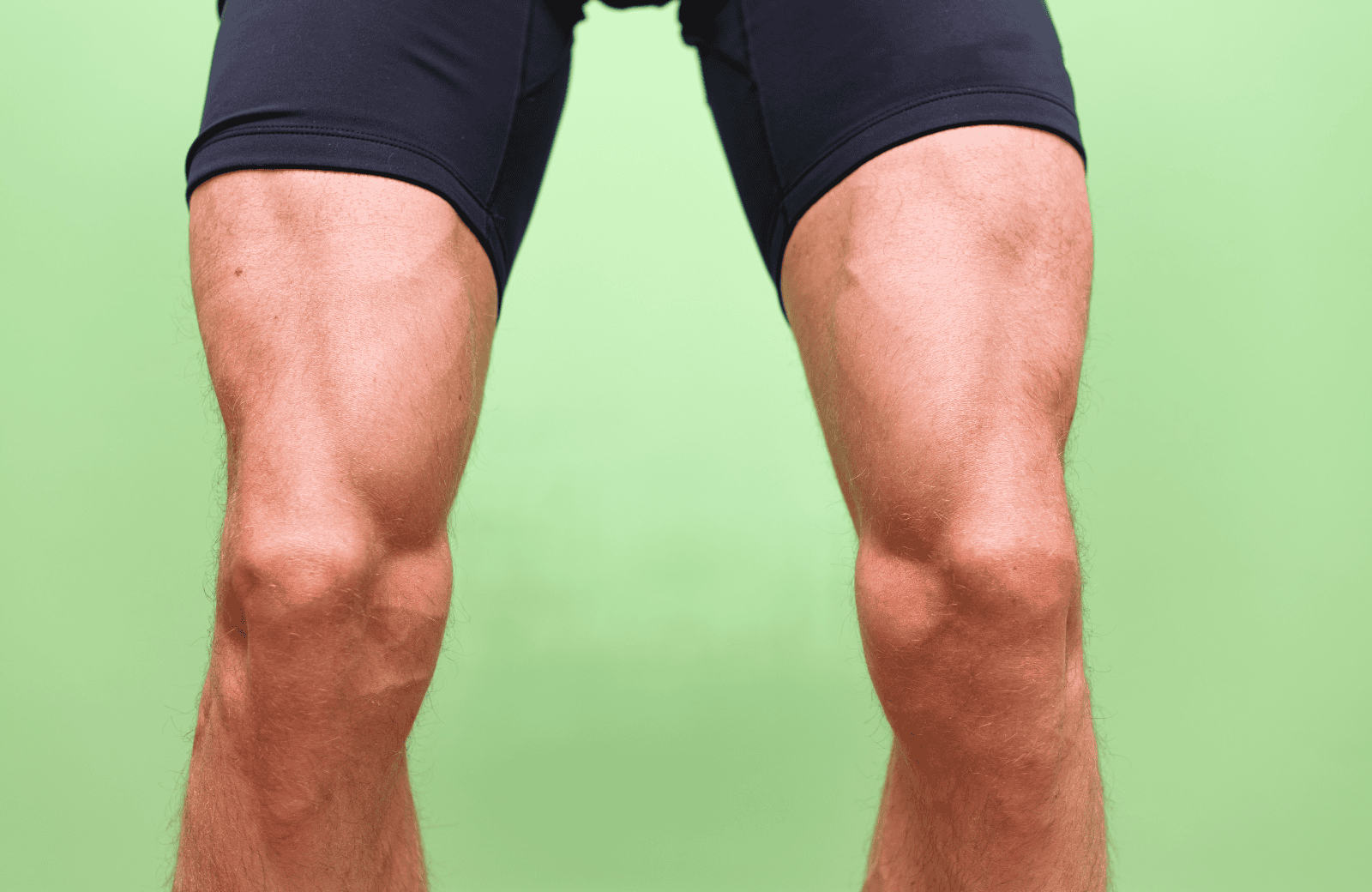
Your iliotibial band is a long strip of fascia that starts at your hip, travels down the outside of your thigh, and attaches just below your knee. It works with your hip and glute muscles to stabilize your leg every time your foot hits the ground.
It band syndrome happens when this tissue and the sensitive fat pad beneath it become irritated near the outer knee. The pain is not usually a tear or a serious injury. It is an overload problem, and that is good news for recovery.
Where You Feel the Pain
Most people feel a burning or aching spot on the outside of the knee, sometimes with a snapping sensation when they bend and straighten the leg. The ache can creep up the outer thigh toward the hip as things get worse.
Why It Gets Worse With Certain Movements
The band comes under the most tension around thirty degrees of knee bend, which is close to where your knee sits at foot strike. That is why running, climbing stairs, and downhill movement tend to light it up more than flat walking.
Not sure what is behind your outer knee pain? We offer a free fifteen-minute discovery call with a Doctor of Physical Therapy. Call us at (817) 221-8248 or request an appointment, and we will help you map out a plan.
What Are the Signs You Have IT Band Syndrome?
The classic sign is pain on the outside of the knee that gets worse the longer you run or ride. Early on, the ache starts near the end of a session, then over time it shows up sooner and can linger at rest.
Common Symptoms to Watch For
- Sharp or burning pain on the outer knee during activity.
- A clicking or snapping feeling as the knee bends and straightens.
- Tenderness when you press just above the outer knee joint.
- Pain that spikes with downhill running or descending stairs.
- Warmth or mild swelling along the outside of the knee.
When It Is Time to Get Help
If the pain returns every time you run, or it starts showing up during easy daily activity, that is your signal to act. Early care shortens recovery and keeps a simple overload from turning into a stubborn, months-long problem.
Is It IT Band Syndrome or Something Else?
Outer knee pain has several possible sources, so a clear diagnosis matters. The table below shows how IT band syndrome compares with other common causes of pain around the knee.
| Condition | Where It Hurts | What Makes It Worse | Typical Cause |
|---|---|---|---|
| It band syndrome | Outer knee, sometimes outer thigh | Running, downhill, stairs | Overload plus hip and core weakness |
| Runner’s knee | Front of knee, around the kneecap | Squatting, sitting, stairs | Kneecap tracking and quad or hip control |
| Meniscus irritation | Along the joint line | Twisting, deep bending | Load or a twisting strain |
| Lateral ligament strain | Outer joint feels unstable | Side-to-side force | A specific injury or blow |
We use a hands-on exam and a full movement screen to sort this out. Getting the diagnosis right is the difference between weeks of frustration and a plan that actually works.
Who Is Most Likely to Get IT Band Syndrome?
It band syndrome shows up most in people who repeat the same knee-bending motion for long stretches. Endurance athletes top the list, but they are not the only ones at risk.
Athletes and Active Adults
- Long-distance runners, especially those adding mileage quickly.
- Cyclists who spend hours in the same pedal stroke.
- Hikers who tackle steep downhill trails.
- New exercisers who ramp up too fast after time off.
The common thread is repetition plus a hip and core that cannot keep up with the demand. When we find that gap early, your recovery is faster and smoother.
Why Women See It Slightly More Often
Differences in hip width and running mechanics can raise tension along the band for some women. This does not mean the pain is unavoidable, and the same strengthening approach works well across the board.
What Causes IT Band Syndrome?
It band syndrome is almost always a load and control problem, not a random flare. The band gets irritated because the hip and core are not managing force well, and the training volume has climbed faster than the body can adapt.
Training Errors and Sudden Spikes
Big jumps in mileage, new hill workouts, worn-out shoes, and too little rest are frequent triggers. According to the Cleveland Clinic, iliotibial band syndrome accounts for about twelve percent of running injuries, which reflects how often training overload plays a role.
Hip and Glute Weakness
When your hip and glute muscles cannot control your thigh, the band takes on more strain with every stride. That is why we treat the hip and core, not just the knee, when we build your recovery plan.
Biomechanics and Running Form
Foot pronation, a wider hip drop, and crossover strides all raise tension along the band. Research summarized in the medical reference StatPearls notes that the incidence of IT band syndrome ranges from about 1.6 percent to 12 percent in runners, with women affected slightly more often than men.
How Do You Fix IT Band Syndrome?
You fix it band syndrome by calming the irritated tissue, then rebuilding the strength and movement that let it flare in the first place. The most effective care blends smart load changes with targeted strengthening and hands-on treatment.
Load Management First
We do not tell you to stop everything. We adjust your volume, swap in low-irritation activities like flat cycling or swimming, and keep you fit while the outer knee settles.
Strengthen the Hip and Core
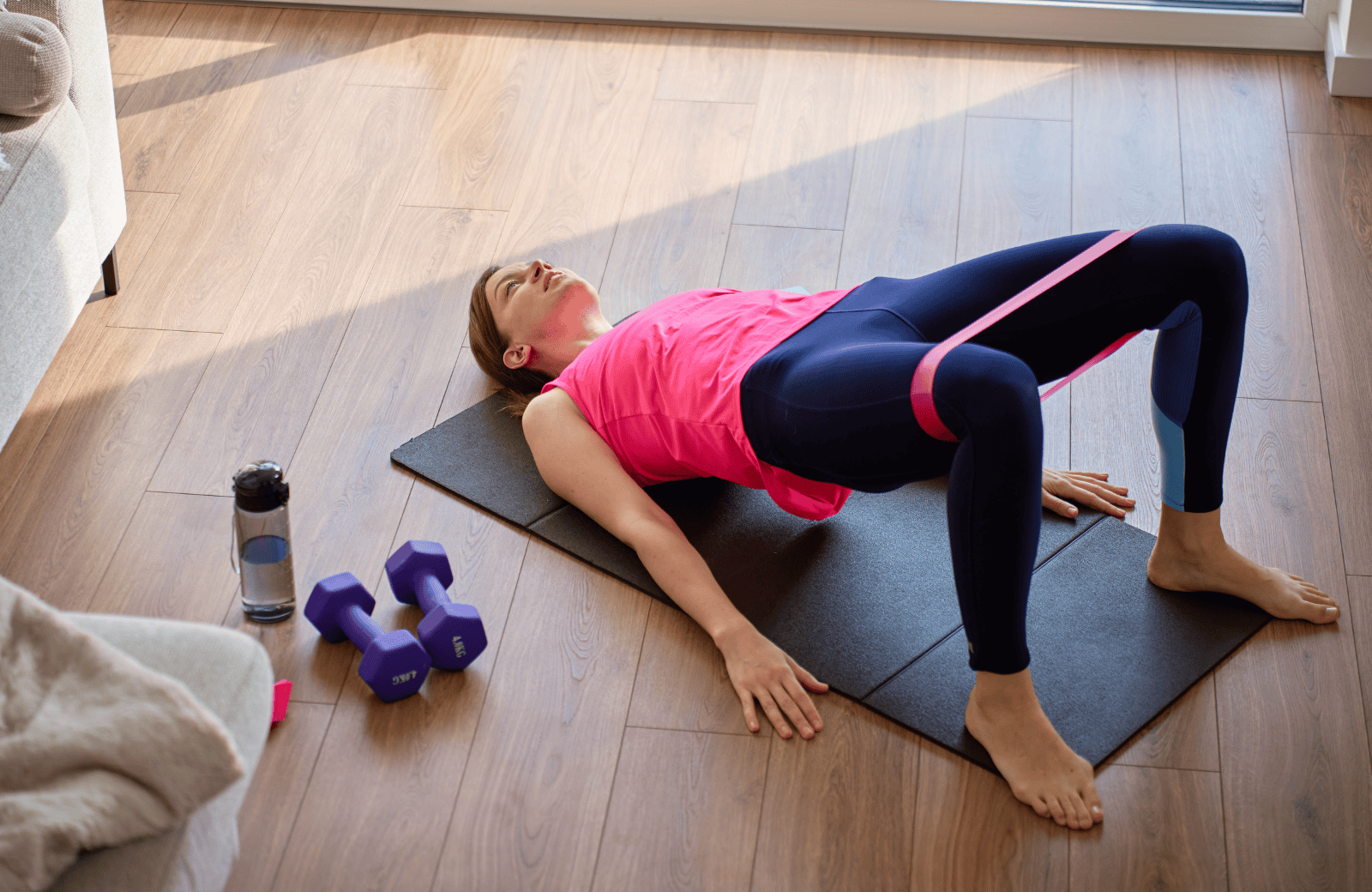
Progressive strengthening of the glutes, hips, and trunk is the heart of lasting recovery. Building this control changes how force travels through the leg so the band stops getting overloaded.
Hands-On Care and Dry Needling
Manual therapy, soft tissue work, and dry needling can reduce pain and improve how the surrounding muscles move. We use these tools to speed relief, then pair them with strength so the results hold.
What Does Not Work
- Aggressively foam rolling the band, which cannot stretch this dense tissue.
- Only stretching without addressing hip and core strength.
- Rest alone, which calms pain but leaves the cause in place.
- Pushing through pain, which usually drags out recovery.
Most people respond well to this approach. StatPearls reports that roughly fifty to ninety percent of patients improve within four to eight weeks of conservative care, and surgery is reserved for the rare case that does not settle.
What Home Exercises Help IT Band Syndrome?
The best starter exercises build strength in your hips and glutes without irritating the knee. These moves give you a safe place to begin while you wait for a full assessment.
Gentle Strengthening to Try
- Side-lying leg lifts to wake up the outer hip muscles.
- Clamshells target the glutes that control your thighs.
- Glute bridges build strength through the back of the hip.
- Standing hip hikes train the muscles that steady your pelvis.
Start with light effort and stop if the outer knee flares. These are a foundation, not a full program, and they work best when a therapist checks your form and progresses them safely.
Should You Rest or Keep Moving With IT Band Syndrome?
The answer is usually movement, just the right kind. Complete rest calms the pain for a while, but it leaves the weakness in place, and the flare tends to return when you start again.
Active Recovery Beats Total Rest
We keep you moving with activities that do not irritate the outer knee, such as flat cycling, swimming, or pool running. This protects your fitness while the tissue settles.
How We Guide Your Return
As your strength improves, we reintroduce running in small, planned steps. Starting on flat ground every other day, then adding distance before speed and hills, keeps your progress steady and the pain away.
How Long Does IT Band Syndrome Take to Heal?
Most cases improve within four to eight weeks when you address the cause early. The timeline below shows what a typical recovery looks like when strength and load management lead the way.
| Phase | Timeframe | Focus |
|---|---|---|
| Calm the flare | Week one to two | Reduce irritating load, ice, and begin gentle hip work |
| Build strength | Week three to four | Progress glute, hip, and core strengthening |
| Restore capacity | Weeks five to eight | Add single-leg control and running-specific drills |
| Return to sport | Week six and beyond | Phased return to mileage, hills, and speed |
Your timeline depends on how long the pain has been present and how consistent your plan is. We track your progress at every visit and adjust so you keep moving forward.
How Do You Keep IT Band Syndrome From Coming Back?
You prevent a relapse by keeping your hips strong and progressing your training gradually. The same habits that heal the knee are the habits that protect it long-term.
Smart Training Habits
- Increase mileage slowly rather than in big jumps.
- Rotate your shoes and replace worn pairs.
- Add gradual exposure to hills instead of sudden hard sessions.
- Build in real recovery days.
Keep the Foundation Strong
A short weekly routine of hip and core strengthening keeps your foundation solid. Our team can build this into your sports injury rehabilitation plan so it fits your sport and your schedule.
Warm Up and Recovery Habits
A gradual warm-up primes your hips and glutes before they work hard. Cooling down well and spacing your hard sessions gives the tissue time to adapt instead of breaking down.
What to Expect From Physical Therapy for IT Band Syndrome

Your first visit starts with a full movement assessment, not a quick glance at the knee. We look at your hips, core, feet, and running pattern to find why the band is overloaded.
A Plan Built for You
From there, we build a plan that fits your sport, your goals, and your schedule. Every session is one-on-one with a Doctor of Physical Therapy, so your program adjusts as you improve.
Care That Treats the Cause
We combine hands-on treatment with progressive strength and smart load changes. This root cause approach is how we help you reach lasting relief instead of a short-term fix. You can see how we approach sports injury recovery for active adults across the area.
Frequently Asked Questions About IT Band Syndrome
Can I keep running with IT Band Syndrome?
Sometimes, but only with the right adjustments. If the pain is mild and settles quickly, we may reduce your volume and remove hills while you strengthen, rather than stopping you completely.
Does stretching fix IT Band Syndrome?
Stretching alone rarely solves it. The band is dense tissue that does not lengthen much, so strengthening the hips and core and managing your load matter far more.
Is foam rolling the IT Band helpful?
Foam rolling can feel good for a moment, but it does not lengthen the band or fix the cause. We would rather spend your energy on strength work that produces lasting change.
How do I know if it is IT Band Syndrome or runner’s knee?
It band syndrome hurts on the outside of the knee, while runner’s knee usually hurts around the front of the kneecap. A hands-on exam confirms the source quickly.
Do I need an MRI for IT Band Syndrome?
Usually not. It band syndrome is a clinical diagnosis based on your history and exam, and imaging is reserved for cases where we need to rule out other problems.
Will IT Band Syndrome go away on its own?
The pain may ease with rest, but it tends to return once you resume activity because the underlying weakness is still there. Addressing the cause is what makes recovery stick.
Move Better and Get Back to the Activities You Love
Outer knee pain does not have to sideline your running or riding. With the right plan, we help you calm the flare, rebuild your strength, and return to sport with confidence.
Why Our Approach Works
We treat the whole chain, from your hips to your feet, in full hour one-on-one sessions with a Doctor of Physical Therapy. This hands-on, root-cause style of care is how we help active adults in Keller, Southlake, Colleyville, and North Tarrant County move well again.
Ready to Take the First Step?
We are here when you are ready to fix the real cause of your IT Band Syndrome. Call us at (817) 221-8248 or request an appointment to claim your free fifteen-minute discovery call with a Doctor of Physical Therapy and start feeling better, moving better, and living better.
