
If you live with stubborn muscle pain or tightness, you have probably heard about dry needling side effects and wondered if the relief is really worth it.
You might feel torn between curiosity and concern, especially if you want to stay active, perform well, and avoid anything that could set you back.
At R3 Physio, many active adults, athletes, and people with chronic pain find that the benefits of dry needling far outweigh the mild, short-term side effects.
When clinicians use it as part of a thoughtful, hands-on rehab plan, a lot of people notice faster relief, better movement, and real progress where stretching, massage, or rest alone have not been enough.
This article explains what dry needling is, what you might feel during and after a session, and why so many people choose it as one tool in long-term healing.
The goal is to give you clear, honest information so you can decide if this technique fits your body, your goals, and the life you want to get back to.
What Dry Needling Actually Is And How It Works
When you hear the term dry needling, it might sound intense or mysterious.
In reality, it is a very precise way to calm overactive, painful muscles and help your body reset patterns that have been stuck for a long time.
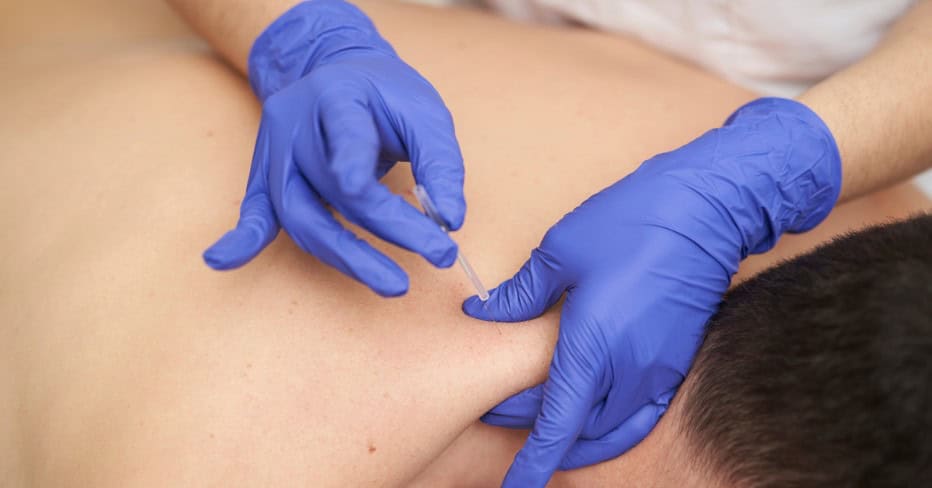
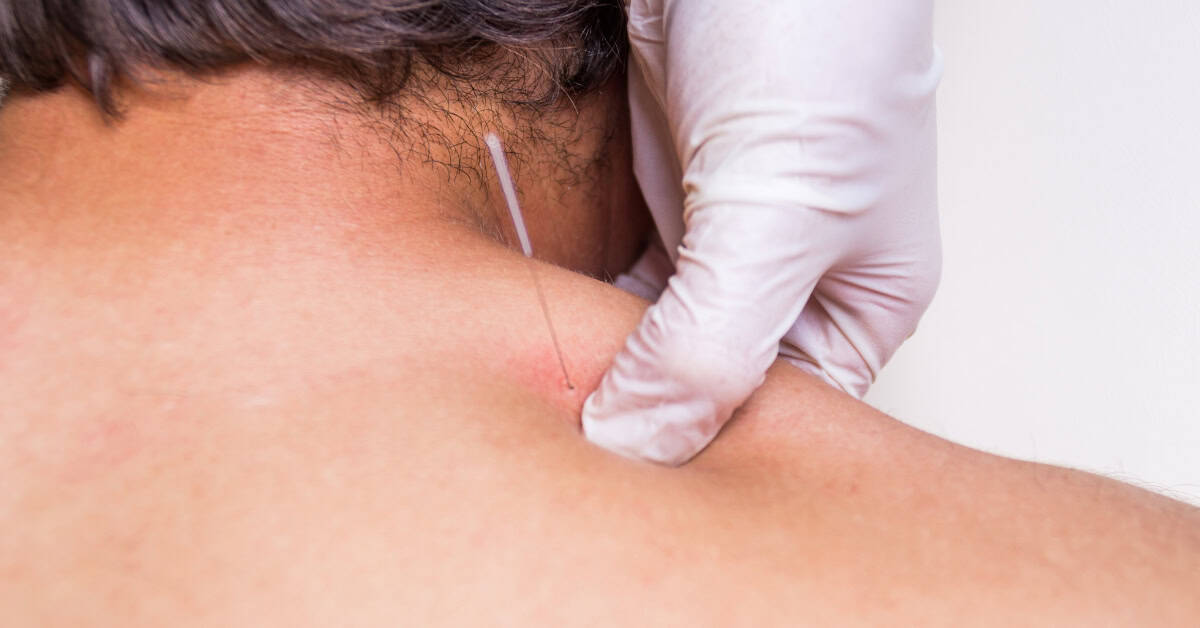
A trained clinician uses very thin, sterile needles to target tight, irritable spots in your muscles called trigger points.
These points are the knots that feel tender to the touch and often send pain to other areas of your body when pressed.
When the needle reaches a trigger point, you may feel a quick, deep ache or a brief twitch in the muscle.
That twitch is your muscle letting go of stored tension and beginning to relax in a way that stretching alone often cannot create.
As the muscle relaxes, blood flow improves, local irritation calms, and your brain receives new, healthier signals from that area.
Many people feel looser, lighter, or more aware of the muscle in a helpful way right after treatment or later the same day.
The Science Behind Trigger Points And Muscle Pain
Trigger points are thick, tight bands of muscle that act like knots in a rope.
They limit how well a muscle can contract and relax, and they can create pain both at the site and in distant areas.
These points often form when you deal with:
- Repetitive movements in sports or work
- Poor recovery after hard training
- Old injuries that never fully settled
- Stress, jaw clenching, or protective guarding
- Postural strain or many hours in one position
Trigger points in one area can cause pain somewhere else, which makes things confusing.
- Tight glutes and hip rotators can feed low back or pelvic pain.
- Neck and shoulder trigger points can create headaches or jaw pain.
- Hip and pelvic floor tension can lead to pain with sitting, running, or daily tasks.
Dry needling gives your body a very direct way to release those stuck points, so you are not fighting your muscles every time you try to move.
When those knots soften, it becomes easier to build strength and healthier movement patterns.

Dry Needling Compared To Traditional Physical Therapy Alone
Manual therapy, targeted exercise, and movement retraining all matter for lasting change.
Most people still need them even when dry needling is part of the plan.
Dry needling does not replace good physical therapy, and it is not a magic fix.
It often makes other forms of treatment work better and faster because it helps stubborn muscles stop resisting the work you do.
You can think of the pieces in a simple way.
- Exercise helps strengthen and retrain movement patterns.
- Hands-on work improves joint motion and soft tissue glide.
- Dry needling helps very tight muscles let go, so changes in strength and mobility can “stick” more easily.
For many active adults, especially those who feel tight no matter how much they stretch, dry needling can create a window where muscles feel more relaxed and responsive.
In that window, you can move into new positions, load tissue, and practice better patterns with less strain and frustration.
This is why so many people feel that progress finally starts to click once dry needling becomes part of a broader, well-planned rehab program.
The technique does not act alone, it supports everything else you do.
Common Dry Needling Side Effects You Might Notice
It is natural to care about what happens in the hours after a session.
Understanding normal reactions can help you feel calmer and more prepared.
Most side effects are mild and short-lived, and most people can still work, train lightly, or go about their day.
They tend to feel more like the aftereffects of a focused workout than like an injury.
The most common things you might feel include:
- Local soreness that feels like you worked that muscle hard
- A dull ache in or around the treated area
- Mild bruising at the needle site
- Temporary fatigue or a heavy feeling in the region
- Occasional lightheadedness, especially if you feel nervous with needles
This soreness usually eases within one to two days.
Many people say the area feels more open, mobile, and less locked up once the initial tenderness fades.
You can usually manage these normal side effects with simple strategies that a clinician reviews with you.
- Gentle movement or light walking
- Good hydration throughout the day
- Heat or ice, if recommended for your situation
- Easy stretching that respects your new range of motion without forcing it
For most adults, these side effects are similar to what you feel after a challenging but helpful training session.
The brief discomfort is often worth the faster change in pain, mobility, and function.
Less Common But Possible Side Effects
Less common side effects can happen, and it is important to know about them in a calm, realistic way. Clear information helps you feel more in control and less anxious.
You might occasionally see:
- A small drop of blood at the needle site
- Slight skin irritation or redness around the area
- A temporary flare in symptoms before things settle and improve
Very serious complications are rare, especially in skilled hands.
When clinicians work near the ribs or upper back, they follow strict safety guidelines and use detailed knowledge of anatomy to protect your lungs and deeper structures.
A thorough exam, solid communication, and careful clinical judgment all help keep risk very low.
If dry needling does not make sense for your specific condition, a responsible provider explains that and uses other tools instead.
How A Skilled Clinician Helps Keep You Safe
Who performs your dry needling matters a great deal.
You deserve someone who understands anatomy, movement, and pain science, not just where to place a needle.
A skilled clinician does several things to protect you and improve your results before, during, and after each session. Safety and comfort stay at the center of the process.
Before your session, the clinician will usually:
- Review your medical history and current medications
- Screen you for conditions that may change how or where they needle
- Listen to your goals, your training demands, and any past experiences with needles
During your session, the clinician will:
- Use clean, single-use, sterile needles
- Explain what you might feel and check in often
- Adjust technique for sensitive areas like the jaw, neck, or pelvic region
- Choose positions that help you feel supported and relaxed
After your session, the clinician will:
- Review what to expect over the next day or two
- Share simple movement or self-care suggestions
- Help you understand how dry needling fits into your bigger rehab or performance plan
This kind of attentive care lowers the chance of problems and helps you feel informed and involved in each step.
Side effects then become something you expect and manage, not something that surprises or overwhelms you.
Why The Benefits Often Outweigh The Side Effects
When you live with constant tightness, pain, or nagging injuries, frustration can grow quickly. It may feel like you follow every suggestion and still do not get the lasting relief you want.
Dry needling can change the speed and depth of your progress when the problem involves stubborn muscle tension and trigger points. For many people, that tradeoff feels worth a day of soreness or temporary fatigue.
Key benefits often include:
- Faster reduction in muscle tension and guarding
- Quicker improvement in range of motion
- Better tolerance for strength and movement work
- Less reliance on medications just to get through the day
- A greater sense of control over your pain and performance
The side effects are usually short-term and predictable. The benefits can support long-term change, especially when dry needling is combined with manual therapy, exercise, and education tailored to your body.
It is normal to still weigh the mild dry needling side effects against the potential relief and performance gains.
That decision feels easier when you can talk it through with someone who understands pain, movement, and the technique itself.
R3 Physio offers a free 15-minute discovery call so you can speak directly with a Doctor of Physical Therapy about your pain, your history, and your goals.
You can learn whether dry needling makes sense as part of your care, without pressure or obligation.
To schedule your call, reach out to R3 Physio today at (817) 221 8248 and take a simple, informed step toward less pain and more freedom to move.
Faster Relief For Chronic Muscle Pain And Tightness
If you have struggled with chronic pain, the pattern may feel familiar.
You stretch, feel a bit better, and then your muscles lock up again within hours or days.
Dry needling helps break that cycle at the muscle level by addressing the trigger points that keep those tissues on high alert. It gives the muscle a chance to reset instead of returning to its old, guarded state.
Common issues that often respond well include:
- Persistent neck and shoulder tension with or without headaches
- Low back pain that worsens with long sitting or standing
- Glute and hip tightness that affects walking, lifting, or running
- Forearm and grip pain from lifting or desk work
- Calf or hamstring tightness that never seems to fully release
By directly treating the trigger points that drive these patterns, dry needling often provides a clearer starting point for change.
It becomes easier to build strength and better movement habits when your muscles are not constantly fighting against you.
Support For Athletes And Active Adults Returning To Performance
If you lift, run, cycle, swim, or play sports, you place real demands on your body. Muscles need to fire well, recover quickly, and move through full ranges to support both performance and injury prevention.
Dry needling can support your return to sport and active life by addressing the muscle side of that equation.
It helps clear some of the restrictions that limit how well you execute your training.
For athletes and active adults, dry needling can:
- Reduce muscle guarding around injured or overused areas
- Improve muscle activation and timing during complex movements
- Help you tolerate higher quality training sooner in your recovery
- Clear sticking points that limit strength, speed, or power
Examples that many people recognize include:
- A runner with chronic calf tightness that limits pace or distance
- A lifter with stubborn shoulder pain that flares during pressing or overhead work
- A recreational athlete whose glutes never seem to turn on, despite careful warm-ups
- A weekend player who battles the same quad or hamstring strain year after year
When tight, overworked muscles relax and reset, your training can feel more natural and efficient. You are no longer just working around pain, you are changing the conditions that feed it.
Relief For TMJ, Headaches, And Pelvic Floor Tension
Dry needling is not only for large, obvious muscles like quads and glutes. It can also help with smaller, very influential areas, especially when pain shows up in your jaw, head, or pelvis.
With TMJ-related concerns and headaches, trigger points often sit in a cluster of muscles that all affect one another.
These include the jaw, the neck, and the upper shoulders.
Common areas that may be treated include:
- Jaw muscles such as the masseter and temporalis
- Deep neck stabilizers and cervical muscles
- Upper shoulder muscles, such as the upper trapezius and levator scapulae
Releasing these points can:
- Decrease jaw pain and reduce some clicking or clenching tension
- Lessen certain types of tension headaches
- Ease neck stiffness that builds across the workday or during stress
For pelvic floor-related pain, carefully applied dry needling can target muscles that influence how the pelvis moves and supports you.
This approach always requires clear consent and a trauma-aware mindset.
In pelvic-related care, clinicians may address:
- Hip rotators that guard and pull on the pelvis
- Abdominal and low back muscles that remain tense
- Adductors and glutes that influence pelvic position and load sharing
A skilled clinician can integrate dry needling with breathing strategies, gentle movement, and nervous system calming techniques.
This helps sensitive areas feel safer, which supports both comfort and long-term progress.
What Most People Actually Feel During And After A Session
It helps to have a realistic picture of what a session feels like in the real world. Stories online can sound dramatic, but most people describe dry needling as focused and uncomfortable, yet manageable.
During needling, you may feel a brief sting as the needle passes through the skin.
You may then notice a deep ache, a sense of pressure, or a quick twitch in the muscle as it responds.
Many people describe a sense of release or warmth in the area right after that twitch. Others feel more of the change in the hours that follow, as soreness fades and movement feels easier.
After the session, it is common to feel:
- Soreness that resembles post-workout fatigue
- More freedom to move into positions that felt blocked before
- Less background noise from your pain, even if some tenderness remains
When you combine these changes with the right exercises, manual therapy, and lifestyle shifts, the gains tend to build from session to session. That is why so many people with chronic pain or sports injuries feel that the benefits of dry needling clearly outweigh the brief, predictable side effects.
Finding Whole Body Relief That Lasts
Dry needling often works best when it is part of a whole plan, not a one-time trick.
It offers powerful help for muscles, but long-term change usually comes from a combination of techniques that support your entire system.
At R3 Physio, care in Keller and the surrounding Dallas-Fort Worth area blends advanced manual therapy, targeted dry needling, and holistic rehabilitation. This approach helps your muscles, joints, and nervous system receive the same clear message, which is to move better, feel safer, and hurt less.
One On One Care Tailored To Your Pain, Sport, And Life
Your body, your sport, and your history are unique, so your plan should be unique as well.
A copy-and-paste program rarely works for someone who wants to stay active and address root causes.
R3 Physio focuses on true one-on-one sessions with a Doctor of Physical Therapy who listens, evaluates, and adjusts care as you progress.
Whether you deal with long-term back pain, TMJ issues, pelvic discomfort, or a nagging sports injury, treatment is shaped around your specific goals and the life you want to live.
Support For Chronic Pain, Athletes, And Pelvic Or TMJ Concerns
If you live with chronic pain, you probably know that quick fixes do not last very long.
At R3 Physio, the focus remains on understanding why your pain keeps returning and using dry needling as one tool among many to change those deeper patterns.
If you are an athlete or active adult in Keller, North Tarrant County, Southlake, Colleyville, Fort Worth, or nearby communities, the goal is to restore performance, confidence, and resilience, not just survive another game or workout.
For TMJ and pelvic health concerns, R3 Physio uses a gentle, integrative approach to calm sensitive areas, improve coordination, and support daily function and comfort.
Ready To Learn If Dry Needling Fits Your Plan
It is normal to still weigh the mild dry needling side effects against the potential relief and performance gains.
That decision feels easier when you can talk it through with someone who understands pain, movement, and the technique itself.
R3 Physio offers a free 15-minute discovery call so you can speak directly with a Doctor of Physical Therapy about your pain, your history, and your goals.
You can learn whether dry needling makes sense as part of your care, without pressure or obligation.
To schedule your call, reach out to R3 Physio today at (817) 221 8248 and take a simple, informed step toward less pain and more freedom to move.
